
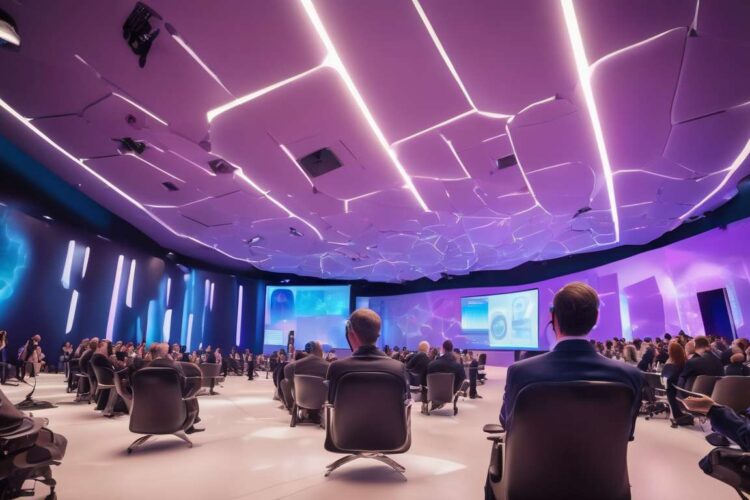
Everyone assumes adult entertainment is either all glamour or all exploitation, but the reality is more complex.
We attend industry events to peel back stereotypes and observe how creators, technologists, and policymakers negotiate consent, safety, and commerce in real time.
What we hear and see at these events:
- Performers demanding better contracts and clearer labor protections.
- Startups demoing AI tools that promise privacy protection and content control.
- Regulators debating how to balance censorship with harm reduction.
- Panels discussing mental health resources and equitable payment systems.
- Investors evaluating sustainable business models.
We document community-driven reforms and advocacy tensions.
- Calls for clearer age verification and fairer payment flows.
- Worker organization efforts for labor rights and benefits.
- Advocacy groups pushing for stricter controls.
- Platforms experimenting with moderation algorithms and automated enforcement.
By bringing these conversations into one room, events reveal both innovations and policy dilemmas shaping the future of adult entertainment.
The outcome: events force us to confront the myths that have long obscured meaningful reform and surface pragmatic pathways for safer, fairer, and more sustainable practices.
Event Atmosphere and Stakes
At industry events we feel the buzz of high stakes and know every interaction can shape reputations, deals, and future opportunities.
We gather with colleagues who understand the unique pressures we face, and we trade practical insights about navigating panels, sponsorships, and networking without losing our collective integrity.
We discuss content moderation policies that affect distribution, and we push for clearer guidelines that protect creators while keeping platforms accountable.
We prioritize performer rights in conversations about consent, credit, and safe working conditions, ensuring no one feels isolated when raising concerns.
We also confront the rapid rise of AI-driven platforms, examining how emergent technologies change verification, compensation models, and the authenticity of content.
Our shared goal is to leave events with realistic strategies: who to contact, which resources to use, and what commitments we’ll enforce when back at work.
We want belonging—spaces where expertise is respected and mutual support helps us turn complex challenges into concrete progress.
Performer Labor Demands
We demand fair pay, transparent contracts, and industry-wide standards for scheduling, safety, and dispute resolution so performers can work with dignity and predictability.
We insist that performer rights be central to every policy conversation and we build coalitions so no one negotiates alone.
We want accountability from producers, venues, and platforms; that means:
- Clear pay scales
- Timely payment
- Accessible complaint processes
We expect content moderation to be consistent, respectful of consent, and responsive to performers’ concerns, not just platform liability calculations.
As AI-driven platforms reshape distribution and discovery, we’ll push for rules that:
- Prevent exploitation
- Ensure consent mechanisms
- Protect earnings from automated manipulation
We’ll demand transparent data about how algorithms affect visibility and compensation, and we’ll seek collective bargaining tools that work across digital ecosystems.
We share practices, mentor newcomers, and support organizers fighting for safer working conditions.
Together we create predictable careers, mutual aid networks, and an industry where belonging comes with material protections and real power.
Tech Demonstrations and AI
We will showcase tech demos that illustrate how AI tools can enhance safety, protect earnings, and uphold consent while remaining transparent and auditable.
We will walk attendees through AI-driven platforms that automate content moderation with clear audit trails, so communities can trust decisions and creators can see why material was flagged.
We will demonstrate systems that verify age and consent metadata without exposing personal data, helping uphold performer rights while preserving anonymity where requested.
We will explore revenue-protection tools that detect unauthorized reposts and route takedown or revenue-share claims directly to rights holders, reinforcing financial security for creators.
We will invite participants to test models that prioritize human review escalation, ensuring nuanced judgments stay with people who care about community norms.
We will show dashboards that report moderation outcomes, appeals, and policy changes, fostering shared governance and mutual accountability.
By centering collaboration, we build tech that serves everyone — performers, platforms, and fans — creating a more inclusive ecosystem grounded in safety, fairness, and respect.
Regulatory Debates Unpacked
Goal: Break down the key regulatory debates shaping our industry so attendees can weigh trade-offs, spot unintended consequences, and propose practical solutions.
Scope: We’re confronting rules that touch content moderation, performer rights, and the rise of AI-driven platforms. We’ll stay concrete about impacts and prioritize regulations that protect consent and income without driving creators off-platform or forcing opaque enforcement.
Concerns about blanket liability schemes
- Blanket liability schemes can lead to over-censorship and harm marginalized performers who rely on niche work.
- Such schemes risk turning platforms into overly conservative gatekeepers rather than balanced marketplaces of expression.
Demands for clarity and transparency
- Clear definitions of key terms (e.g., “harmful content,” “consent,” “commercial use,” “platform liability”).
- Transparent notice-and-appeal processes so creators understand why content is removed and can challenge decisions.
- Funding for independent audits to ensure platforms cannot unilaterally decide who is visible or monetized.
AI-specific policy needs
- AI-driven platforms must adopt standards for provenance so users can tell when content or likenesses are synthetic or derived.
- Rules should require compensation when creators’ likenesses or performances are used commercially by AI systems.
- Provide accessible redress mechanisms tailored to the speed and scale of AI-enabled distribution.
Principles for good regulation
- Proportionality — rules should balance safety, innovation, and dignity, avoiding one-size-fits-all mandates.
- Practicality — offer model language and pilot programs that demonstrate workable approaches rather than only presenting worst-case hypotheticals.
- Inclusivity — center the needs and voices of marginalized performers in rulemaking so solutions don’t inadvertently exclude those most affected.
Concrete next steps for the community
- Develop model statutory or policy language that enshrines the above principles.
- Design pilot programs (platform + creator cohorts) to test notice/appeal flows, provenance tagging, and compensation mechanisms.
- Prepare briefing materials for regulators with clear trade-offs and empirical metrics to evaluate outcomes.
Outcome sought: Regulations that safeguard consent and income, enable transparent and accountable moderation, and create durable, technology-aware standards so creators can thrive without fear of opaque takedowns or uncompensated AI use.
Moderation and Safety Tools
We’ll evaluate and refine the moderation and safety tools platforms use to protect performers, prioritize consent, and minimize harmful overreach.
We’re committed to building systems that balance robust content moderation with respect for performer rights, so everyone feels seen and secure.
At events we share practical approaches to reduce arbitrary removals and foster trust:
- Clear takedown policies
- Transparent appeals
- Community-led reporting
We’ll explore how AI-driven platforms can assist moderators by flagging risky content and streamlining reviews, while insisting on human oversight to safeguard nuance and contextual judgment.
We also emphasize accessible education for creators about platform rules, consent verification, and dispute resolution paths.
Our conversations center on collaborative design:
- Moderators, performers, and technologists shaping tools that acknowledge dignity and agency
- Prioritizing transparency, proportionality, and consistent enforcement
By prioritizing these principles, we’ll create a safer environment where performers belong, audiences feel confident, and platforms uphold accountable, rights-respecting moderation.
Mental Health and Support
We’ll address mental health and support by creating accessible, confidential resources and peer networks that help performers manage stress, trauma, and burnout.
We’ll build spaces where people feel seen, heard, and safe to share struggles without judgment.
At events we’ll facilitate workshops led by clinicians familiar with industry realities and panels that center performer rights, ensuring mental care ties to legal and workplace protections.
We’ll advocate for integrated approaches that recognize how content moderation practices and platform policies affect well-being, pushing for transparent processes that reduce re-traumatization.
We’ll promote peer-support circles and mentorship programs that counter isolation, and we’ll push organizers and platforms to fund crisis counseling and affordable care plans.
We’ll engage tech partners to ensure AI-driven platforms include mental-health safeguards, like human review escalation and sensitive-content flags that protect both audiences and creators.
Together, we’ll cultivate a culture of mutual care and practical supports so everyone can thrive with dignity and belonging.
Investment and Business Models
Sustainable investment strategies and business models should prioritize fair revenue shares, performer autonomy, and long-term platform resilience.
We believe thriving ventures balance profit with people by designing deals that protect performer rights and give creators clear, living standards for income and control.
Key mechanisms to achieve this include:
- Revenue splits that are equitable and indexed to platform growth and creator contribution.
- Vesting schedules that protect long-term interests without locking creators out of earnings.
- Transparent reporting so performers can verify payouts, metrics, and platform decisions.
Responsible responses to AI-driven platforms are essential to protect dignity and agency.
We support funding and development of tools and frameworks that keep innovation from eroding rights, including:
- Responsible content moderation tools built with privacy and due process in mind.
- Co-designed governance frameworks developed together with performers and community stakeholders.
- Audits, community councils, and escrow mechanisms to secure earnings and ensure informed consent.
Aligning capital with shared values creates resilient ecosystems where creators, platforms, and investors belong and prosper together.
This approach:
- Reduces churn and increases long-term viability.
- Maintains safety and autonomy for performers.
- Ensures fair compensation and trust across partnerships and events.
By committing to these principles and practices, investors and founders can foster sustainable, inclusive platforms that protect rights while enabling innovation.
Paths Toward Reform
To move toward meaningful reform, we must prioritize collaborative policymaking, scalable safeguards, and funding structures that center performer agency and economic security.
We’ll convene creators, platforms, advocates, and regulators to co-design rules that protect performer rights without sidelining livelihoods.
- Inclusive committees build trust and produce clearer, fairer standards for content moderation that reflect nuanced realities rather than broad bans.
We’ll push for interoperable tools and transparent appeals processes so performers can contest takedowns and control distribution across AI-driven platforms.
- Shared technical standards and open-source verification can reduce false positives while limiting abusive scraping and deepfakes.
- Transparent appeals processes ensure performers have meaningful recourse and oversight.
We’ll advocate funding models—like cooperative platforms, grants, and access to payment services—that reinforce independence and economic resilience.
By centering community-led research, crisis support, and ongoing training, we’ll create scalable safeguards that evolve with technology.
- Community-led research identifies real-world harms and practical fixes.
- Crisis support offers immediate assistance when harms occur.
- Ongoing training helps performers and platforms adapt as tools and risks change.
Together, we can shape pragmatic policy that affirms belonging, protects rights, and balances innovation with accountability.
How do event organizers ensure consent and privacy for attendees who are also performers or industry workers attending in a personal capacity?
Question: How do organizers protect consent and privacy for attendees who are also performers or industry workers attending personally?
Short answer: Organizers protect consent and privacy by setting clear boundaries, using opt-in policies, training staff in consent-first practices, providing private and anonymous options, enforcing image and disclosure rules, and offering confidential complaint and support channels.
Key protections and practices
1. Clear boundaries and opt-in policies
- Define acceptable interactions (what’s allowed at panels, social events, photo ops, etc.).
- Use opt-in for participation in activities that involve personal identification, photos, or public introductions.
- Publish policies in advance so attendees can make informed choices.
2. Staff training and consent-first culture
- Train staff and volunteers on consent, bystander intervention, and privacy-respecting communication.
- Designate consent stewards or trained points of contact during events.
- Create visible reminders (signage, program notes) reinforcing consent norms.
3. Private spaces and anonymous options
- Provide private green rooms, nursing/quiet rooms, and changing areas for people who need discretion.
- Offer anonymous registration or pseudonym options for badges and directories when requested.
- Allow opt-out of public listings (panels, exhibitor rosters, social media tags).
4. Image-release and non-disclosure controls
- Use explicit image-release forms and require affirmative consent before photographing or filming individuals.
- Establish and enforce NDAs or non-disclosure options for sensitive meetups or industry-only sessions when appropriate.
- Prohibit unauthorized recording in areas where privacy is expected; communicate consequences.
5. Complaint channels and swift, confidential response
- Provide multiple reporting avenues (in-person staff, phone, email, anonymous forms).
- Respond quickly and confidentially with clear procedures for investigation and remedies.
- Offer clear consequences for violations to build trust that policies are enforced.
6. Community liaisons and support
- Appoint community liaisons or victim advocates to support affected attendees.
- Coordinate with external resources (counseling, legal referrals) when needed.
- Follow up with affected individuals about outcomes and accommodations.
7. Continuous improvement and transparency
- Collect feedback from performers and industry attendees about privacy needs.
- Publish summaries of policy enforcement (anonymized) to show accountability.
- Update practices based on incidents, legal requirements, and community input.
Outcome: These measures together create an environment where performers and industry workers can attend personally while feeling respected, safe, and included.
What measures are in place to prevent underage individuals from accessing events, both in-person and virtually, beyond standard ID checks?
We’re committed to inclusive safety and preventing underage access beyond simple ID checks.
Physical events:
- Age-gated ticketing using verified payment methods.
- Background-screened staff to ensure personnel interacting with attendees are vetted.
- Biometric or selfie verification and digital identity checks to confirm age beyond paper IDs.
Virtual spaces:
- Two-factor authentication (2FA) and age-verified accounts to reduce account sharing and false ages.
- Moderated lobbies and real-time monitoring to detect and remove underage users or suspicious behavior quickly.
Community standards and enforcement:
- Code-of-conduct acknowledgments required from attendees to set clear behavioral expectations.
- Rapid reporting channels and responsive enforcement so issues are addressed promptly and everyone feels supported.
How are smaller independent creators and sex-positive educators supported to gain visibility among larger corporate exhibitors and sponsors?
We’re committed to lifting up smaller creators and educators so they can get noticed among big exhibitors and sponsors.
Curated showcase slots, mentorship, and subsidies.
- We’ll build curated showcase slots to highlight emerging talent.
- We’ll create mentorship pairings to connect newcomers with experienced mentors.
- We’ll offer subsidized booth fees to reduce financial barriers.
Amplification through panels, marketing, and directories.
- We’ll amplify voices through partnered panels.
- We’ll use targeted marketing to reach relevant audiences.
- We’ll maintain shared exhibitor directories to increase discoverability.
Community-centered networking and pitching.
- We’ll create networking lounges that prioritize community-led approaches.
- We’ll run pitch sessions focused on collaboration and growth.
Outcome: visibility, resources, and lasting collaborations.
- These efforts ensure diverse, sex-positive creators gain visibility.
- They provide resources and create lasting collaboration opportunities.
Conclusion
You’ve seen how the event blended spectacle with serious stakes: performers pushing for fair labor, tech firms demoing AI-driven tools, and regulators hashing out rules that’ll shape the industry’s future.
You’ve watched debates over moderation, safety tech, mental-health support, and investor appetites for new business models.
Moving forward, you’ll weigh pragmatic reform against creative freedom, support stronger protections for workers, and stay alert as policy and innovation collide to reshape adult entertainment.